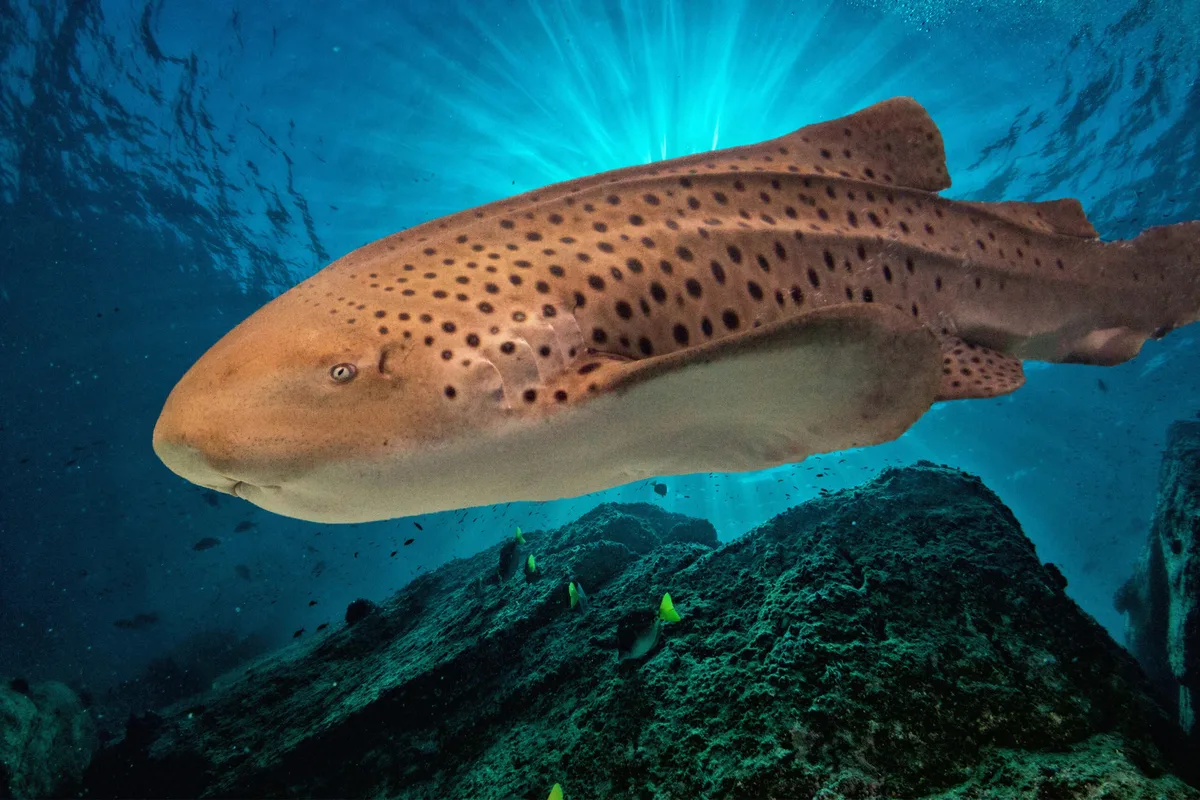
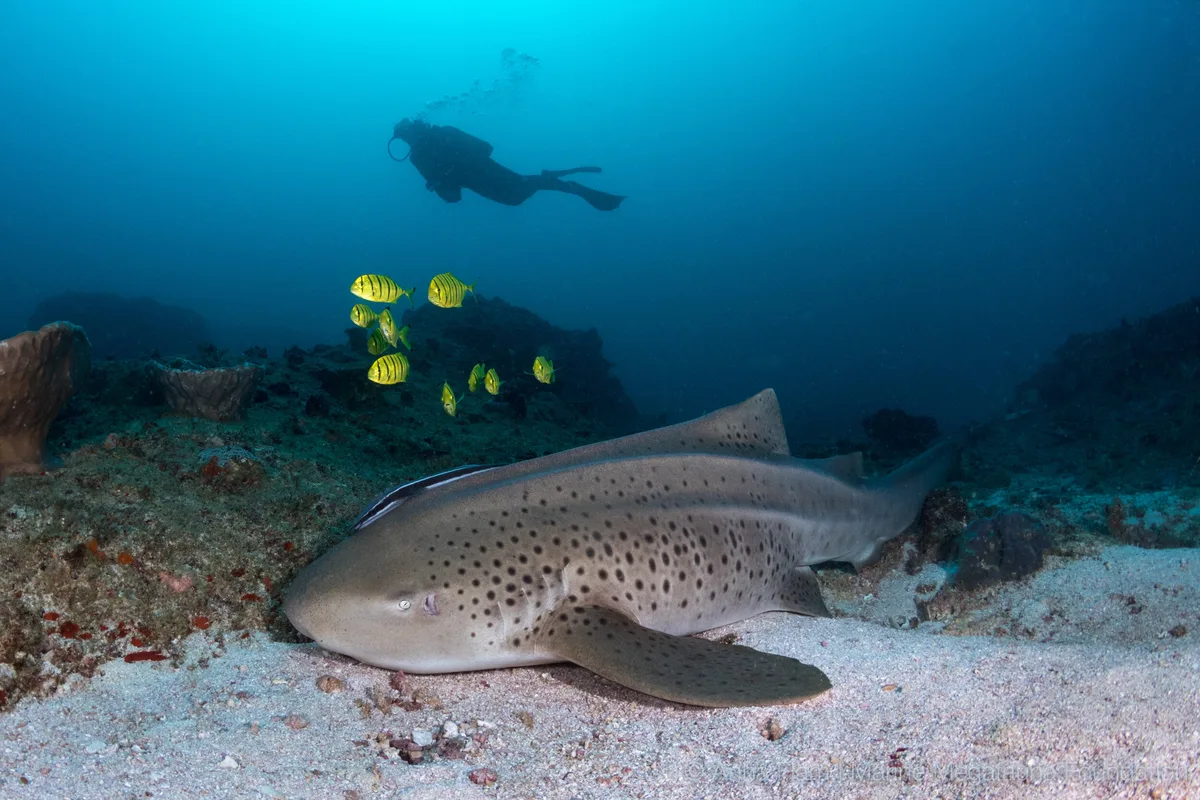
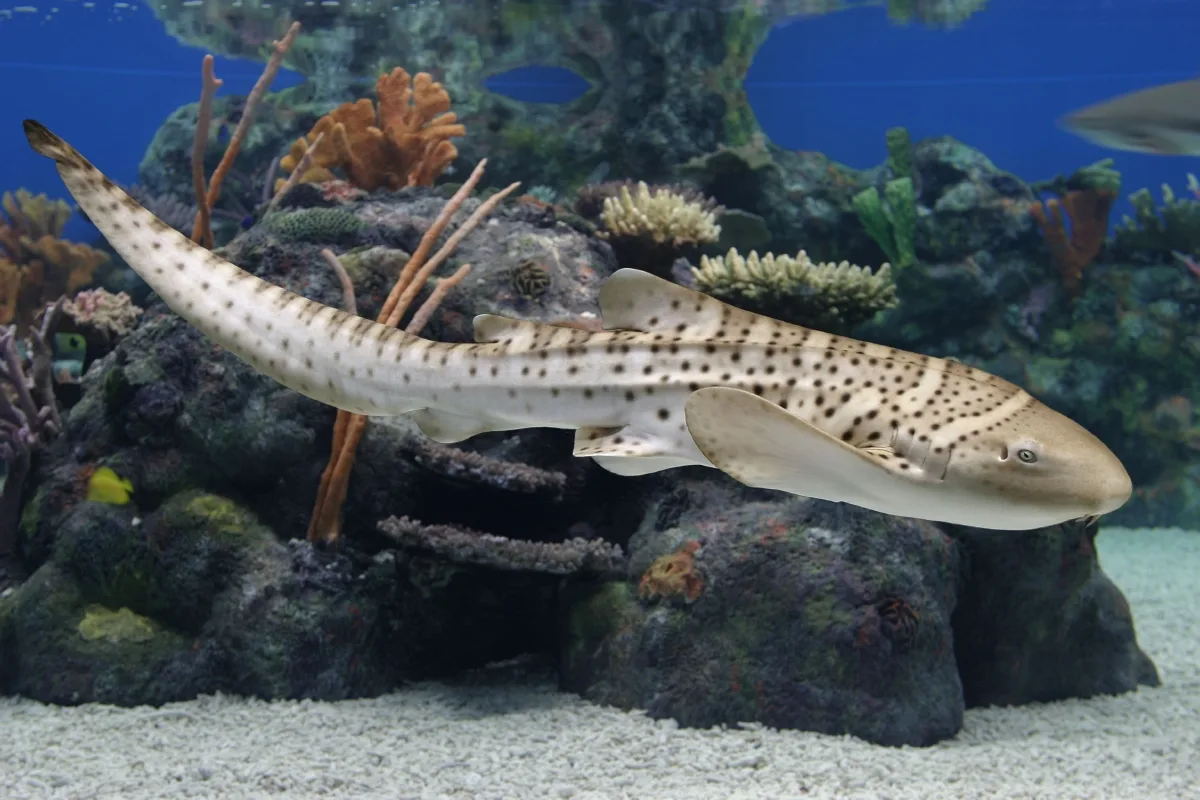
The Indo-Pacific Leopard Shark is susceptible to capture in a wide range of inshore fisheries and is targeted and caught incidentally mainly in demersal gillnet and trawl fisheries. The species' strong site fidelity to reefs and its occurrence in aggregations make it more susceptible to targeted fishing with the rapid capture of large numbers of individuals possible and evident in some fisheries, for e.g., in India (D. Robinson unpub. data). Fisheries across the Western Indian Ocean and Southeast Asia have experienced increased demand for sharks since the 1970s due to the shark fin trade (the fins of the Indo-Pacific Leopard Shark are not valuable but the species can be taken incidentally) and as a result, effort is increasing in traditional shark fisheries in many areas (Jabado et al. 2015, Obura et al. 2017, Karnad et al. 2019). Simultaneously, there has been a significant increase in coastal fishing effort and power leading to a reduction in the number of shark catches across the regions (e.g., Spaet and Berumen 2015, Bennet et al. 2023).
In Mozambique, Indo-Pacific Leopard Sharks are opportunistically targeted by spear fishers if they are seen and Praia do Tofo, southern Mozambique appears to be a hotspot for the Indo-Pacific Leopard Shark (Pierce et al. 2008, Pottie et al. 2021). In Madagascar, the species is targeted in artisanal gillnet fisheries and it is taken by artisanal fishers within the Antongil Bay Shark Sanctuary (Bennett et al. 2023). In Kenya, it is also taken by artisanal gillnet and in prawn trawl fisheries (Bennett et al. 2023). Across the Arabian Sea and adjacent waters, the Indo-Pacific Leopard Shark is caught in the Arabian/Persian Gulf (including Iran; R. Jababo pers. comm. 2017), the Sea of Oman (Valinassab et al. 2006, Henderson et al. 2007), and India (Theivasigamani and Subbiah 2014). It is now rarely caught in Pakistan (Osmany and Khan 2022). In some other areas, it is considered low value and is not generally landed. For example, in the Saudi Red Sea, the species is not targeted and is released alive (J. Spaet pers. comm. 2017). The Indo-Pacific Leopard Shark was reported from fisheries in Thailand, where it was previously (2004–2012) landed regularly at fish markets from the Andaman Sea but was not recorded from the Gulf of Thailand (Krajandara 2014). In Papua New Guinea, the Indo-Pacific Leopard Shark is incidentally caught in a prawn trawl fishery that operates in the Gulf of Papua where it represents a minor part of the elasmobranch catch (0.5%) and was assessed as at medium risk from the fishery based on susceptibility to capture and recovery ability (Baje et al. 2021).
In Eastern Indonesia, legal and illegal fishing pressure has increased substantially in the Arafura Sea since the 1980s (Resosudarmo et al. 2009). Trawling was banned in 1980 in all waters of the Indonesian 200-mile Exclusive Economic Zone west of longitude 130˚E. This resulted in concentrated trawling pressure in the eastern part of the Timor Sea and the Arafura Sea. Indo-Pacific Leopard Sharks likely comprised part of this catch given their presence as bycatch in trawl surveys from neighbouring regions (e.g., Zhou and Griffiths 2008, Baje et al. 2021). Threats within Australia are likely to be relatively minimal. It is not targeted and small numbers are captured incidentally and released in the Queensland East Coast Inshore Finfish Fishery (Harry et al. 2011), the Northern Prawn Fishery (Zhou and Griffiths 2008), the Pilbara Trawl fishery (Western Australia Department of Fisheries 2010, M. Braccini pers. comm. 2023), and in nets deployed by the Queensland Shark Control program (Queensland Government 2023). However, the species has a high post-release survival rate of 80–100% from these fisheries. Its behaviour of swimming at the surface in aggregations in eastern Australia exposes it to the threat of boat strikes and severe wounds from boat propellers have been observed. The species occurs across the Pacific Islands in low numbers and due to lower human population numbers, fishing is far less intensive than in other parts of its range.
The Indo-Pacific Leopard Shark's preference for inshore coastal waters including mudflats, mangroves and seagrass beds, and coral reefs as well as its inshore egg laying means it is also threatened by habitat loss and degradation, including pollution, clearing, coastal developments, and climate change. Threats to these key habitats occur in the Western Indian Ocean and Southeast Asia. For example, marine habitats in the Arabian/Persian Gulf have experienced high levels of disturbance and rapid deterioration due to major impacts from development activities (including dredging and reclamation), industrial activities, habitat destruction through the removal of shallow productive areas and major shipping lanes (Sheppard et al. 2010). In Southeast Asia, large coastal areas, in particular mangroves, have been lost through land conversion for urban development, mining, aquaculture, and agriculture. For example, across Myanmar, Malaysia, and Cambodia from 1970–2020, 44% of the mangrove area was lost (Baltezar et al. 2023). Global climate change has already resulted in large-scale coral bleaching events with increasing frequency causing worldwide reef degradation since 1997. Almost all warm-water coral reefs are projected to suffer significant losses of area and local extinctions, even if global warming is limited to 1.5°C (IPCC 2019). The Indo-Pacific Leopard Shark is also a popular public aquarium species and is targeted for these aquaria.